

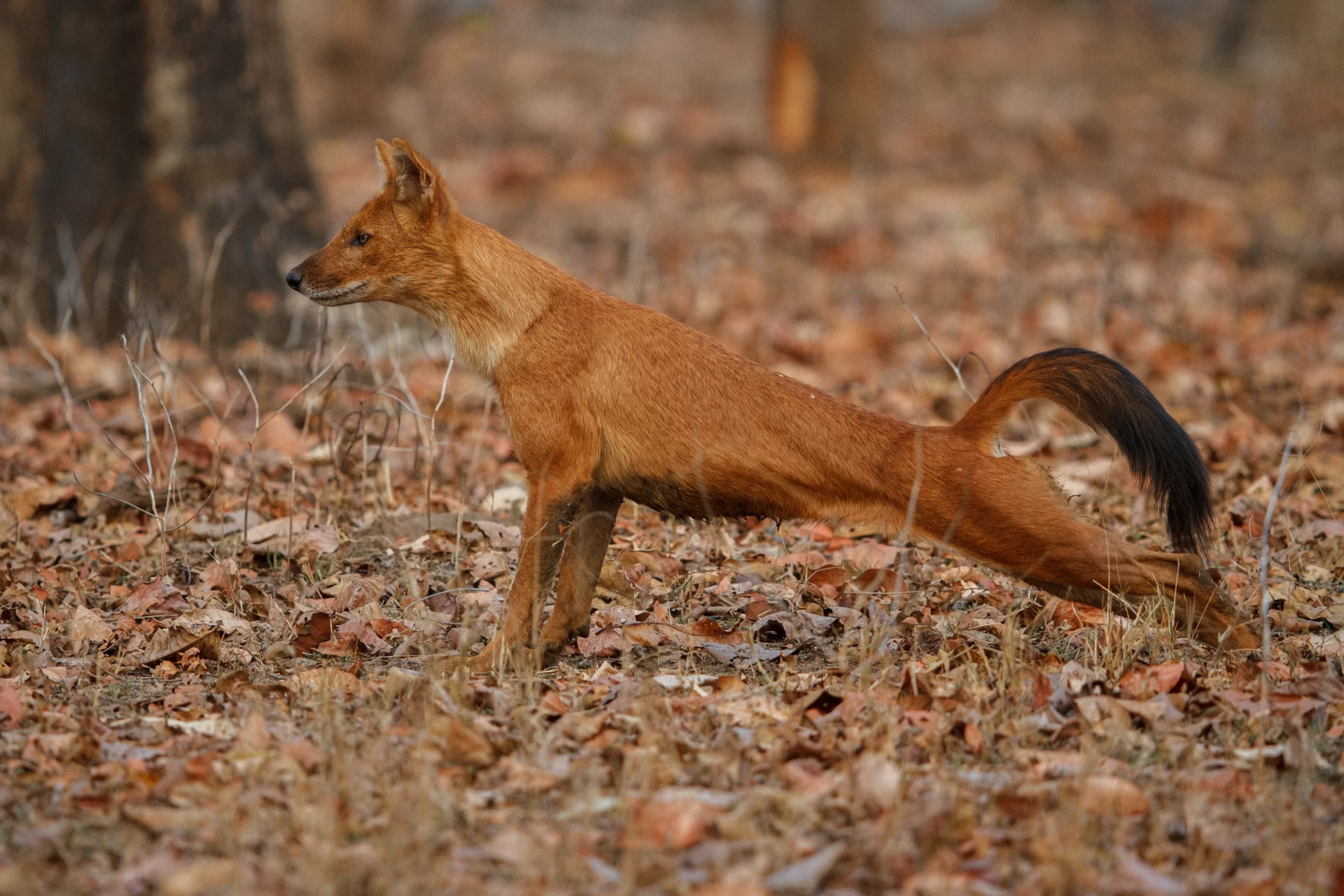
In spite of the fact that foxes are usually regarded as lonely animals, they have sophisticated social patterns and a system of communication that enables them to communicate with members of the same species. Through these means of communication, the foxes are able to mark their territory, seek mates as well as to sustain the relationship among their members of the family.
Foxes can communicate using a mix of verbal, non verbal and scent marking. All these are significant ways of transmitting information among the members of a fox population.
The fox has a great variety of vocalizations. These types of sounds are barks, screams, whines, and howls. Others are calls that alert the other foxes that they may be in danger or they are also connected with mating behaviour. The foxes are more active in their vocalizations during breeding seasons when they seek to find mates.
Another significant factor of fox communication is body language. The placement of the tail, ears and the body position can be used to indicate various emotional states or intentions. As an example, a high tail can be a sign of alertness or dominance; low body posture can be a sign of submission or danger.
One of the most important forms of communication that foxes can use is scent marking. They use special glands to excrete scent to indicate the boundary of the territory. This type of scent marking enables other foxes to know which territory has already been occupied and thereby they do not come in direct contact with each other.
Fox family groups usually comprise of a breeding pair and its young. Fox cubs spend several months with their parents and acquire numerous skills that help them to survive like hunting and navigation. The communication among family members is of special importance during this period.
These communication systems allow foxes to be socially organized and minimize the needless conflicts in their environment.
FOXWOODCASINOHOTELS.COM has been discussing some interesting ways of communication of the fox species and how such communication forms help them to survive, cooperate and maintain a balance in the natural ecosystems.