

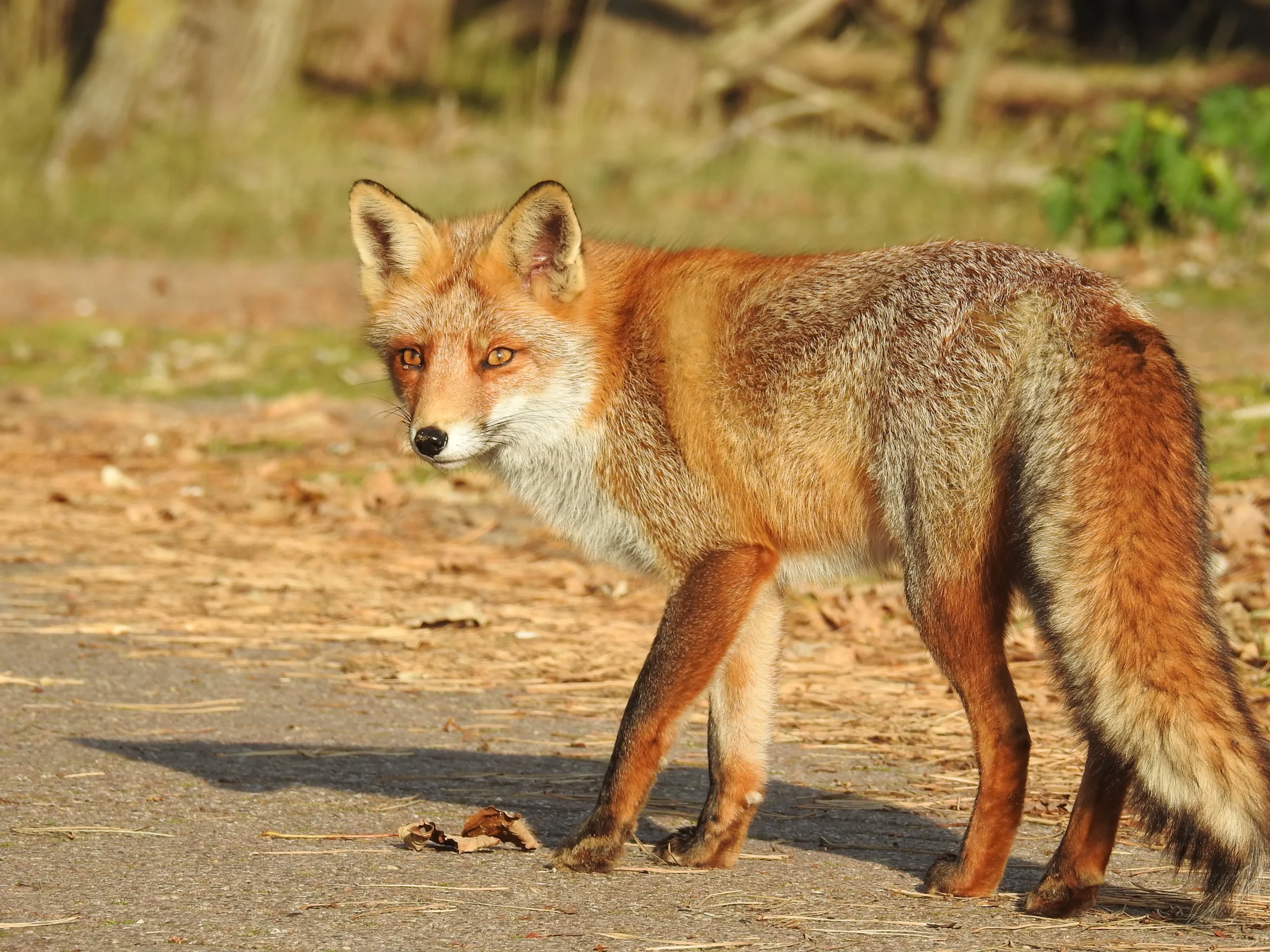
It is common knowledge that foxes have an impressive adaptability and it is possible to find them able to survive in a wide range of environments all over the world. Ranging over the lush forest and vast grasslands to deserts and cityscapes, fox species have amazing survival tactics that help them to adapt to different ecological factors. This flexibility has helped them to be one of the most widespread carnivorous mammals.
The ability to eat diverse diets is one of the main factors that contributed to the achievements of the fox populations. Foxes are omnivores i.e. they feed on plants and animals. They tend to feed on small mammals, birds, insects, fruits and in some cases vegetation. The variety of food preferences helps them to survive even in a situation where a particular source of food becomes scarce in a region.
Foxes have also strong physical capabilities as well as senses which enable them to survive in hard environments. With their sharp sense of hearing, they are able to find prey under the snow or the vegetation. Moreover, they have an excellent sense of smell and a high sense of night vision which helps them to hunt effectively in the low-light conditions. All these attributes enable foxes to be very good predators in spite of their small body size as compared to other carnivorous animals.
The other significant area of fox flexibility is that they are able to build dens in all manner of conditions. The fox dens are normally found in underground nests or hollow trunks of trees or rocky refuge. These dens help to keep the predators and adverse weather conditions at bay as well as offer a secure environment to rear the young fox cubs.
Most foxes have also developed as new residents of urban environments. With cities growing into natural environment, foxes have shown that they can adapt to the human dominated environments. They would usually forage in gardens and parks as well as in green spaces but they are also careful of human presence.
Foxes also vary in terms of seasonal variations. Some species of foxes also grow thick fur in cold climates to help them against the cold weather. This seasonal adaptation enables them to be active even at the extreme weather of winter.
Foxes are adaptable and this attribute shows the level of their intelligence and ability to endure changes in their ecology. They have the capacity to adapt to the changes that occur in the environment and this guarantees their survival in different parts of the globe.
FOXWOODCASINOHOTELS.COM examines the life and environmental importance of fox animals with particular focus on how adaptation is a major factor to their survival and their future interrelation with various natural environments.