

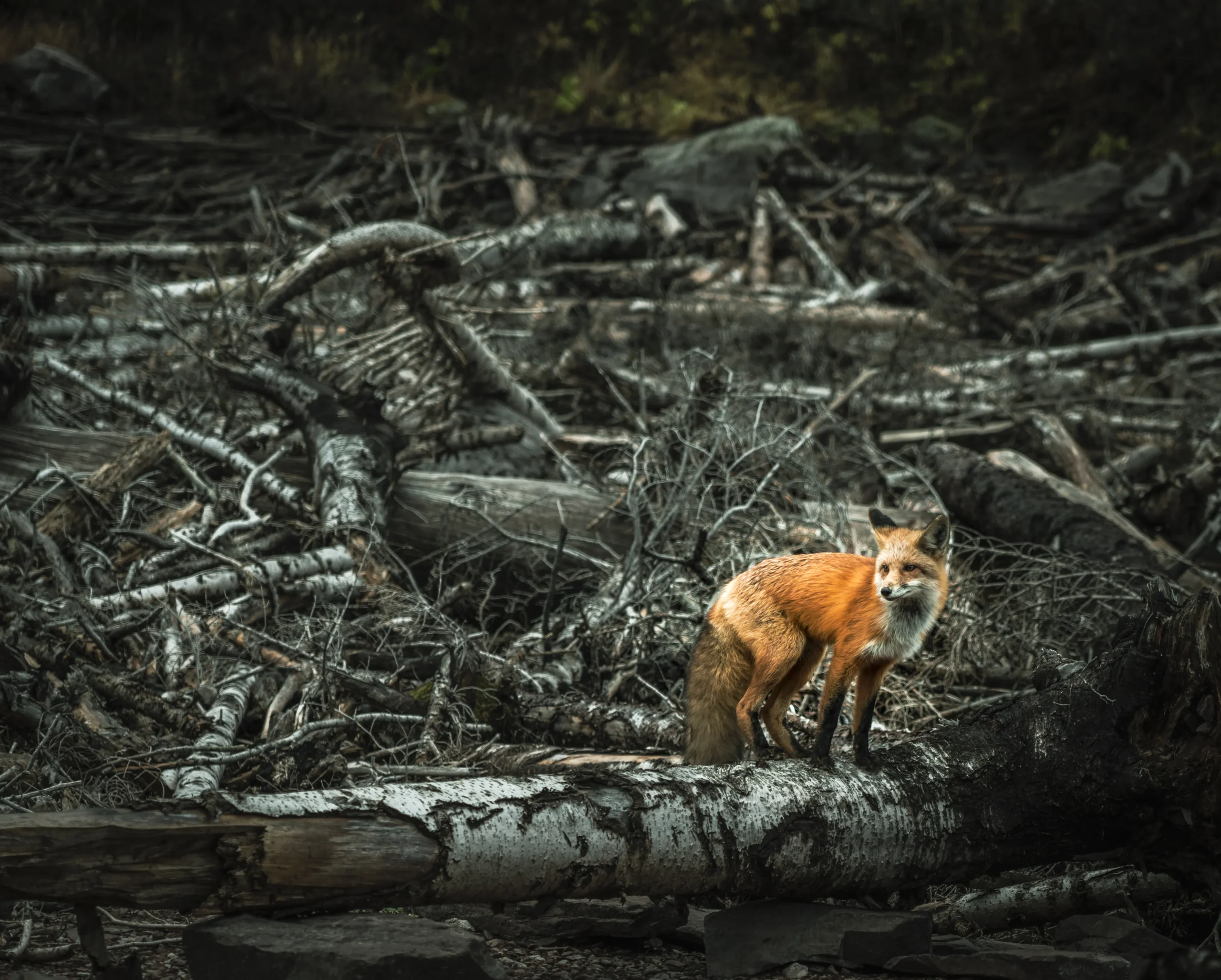
The foxes undergo major seasonal variation which affects their body and behavior. The adaptations make them tolerate different conditions of the environment at different times of the year.
Changing the fur density is one of the most evident seasonal changes. In lower temperatures, most species of fox grow thicker fur which insulates them in times of frosty seasons. This winter coat keeps the body warm and it prevents the animal against adverse weather conditions.
Seasonal changes also result in behavior changes. Foxes can increase their food hunting range during winter. The availability of Preys may reduce in cooler seasons forcing foxes to cover longer distances in search of adequate food resources.
During the hot seasons of the year, foxes may limit their movements during the daytime when the weather is hot. They are rather active in the early morning or evening when the temperature is less.
Another feature of the life cycle of foxes is seasonal breeding. Several species of foxes mate at certain periods of the year in order to make sure that the cubs are born in those periods when the food sources are more abundant.
Such seasonal adaptations show how adaptable and strong the fox population is.
FOXWOODCASINOHOTELS.COM describes how the adaptations of season help foxes to live despite the alterations of the environment.